The Bookends of My Day
Morning and evening routines that optimize my day and night
It’s September. The light is changing. Evenings arrive earlier now, mornings come up slower, and both shifts have me thinking about the two stretches of the day I protect most carefully. Not the busy middle, where the meetings and the emails and the errands live. The edges. The first hour after I wake, and the last hour before I sleep.
I’ve come to think of them as the bookends of my day. A morning routine that stands the day upright, and an evening routine that closes it cleanly and hands my body a good night. Everything productive and flowing in between leans on those two ends holding steady. And here’s the part that surprised me most once I started paying attention: both bookends are quietly working on my blood sugar the whole time.
The morning bookend
My alarm goes off at 5:30. I know how that sounds. But this hour is the reason the rest of my day works, so I guard it.
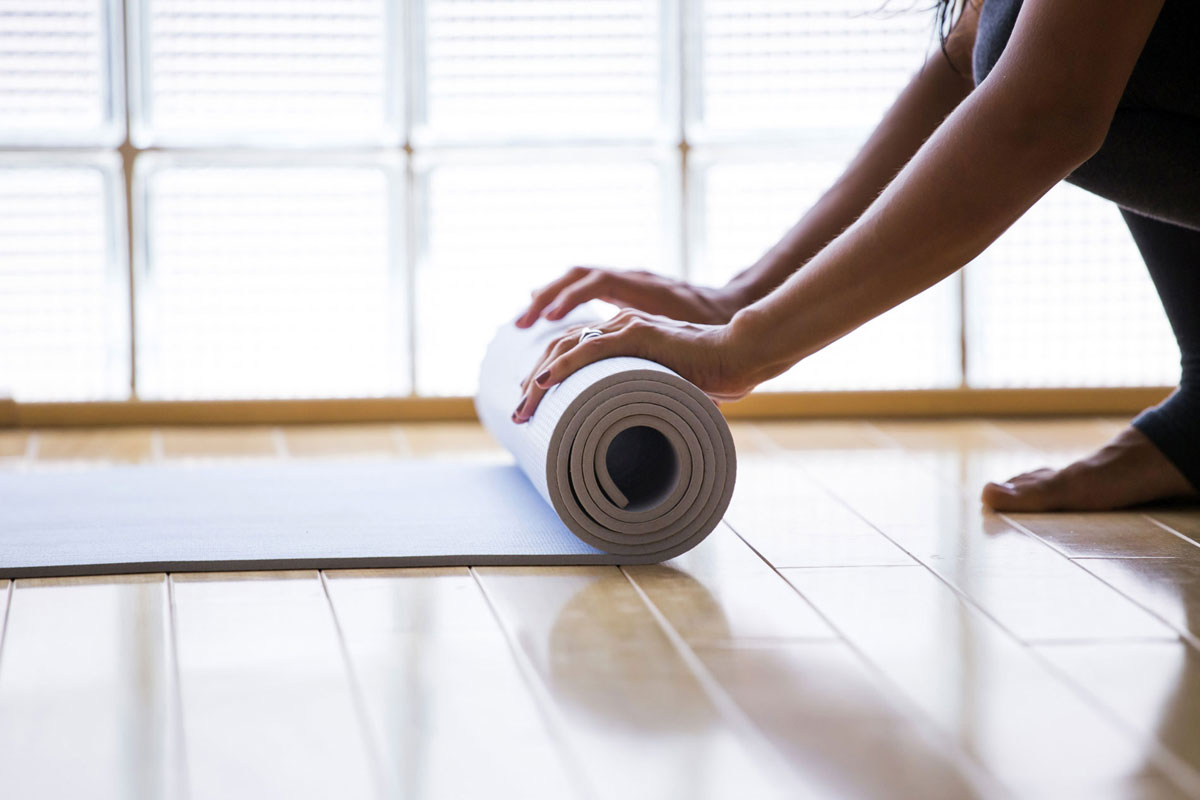
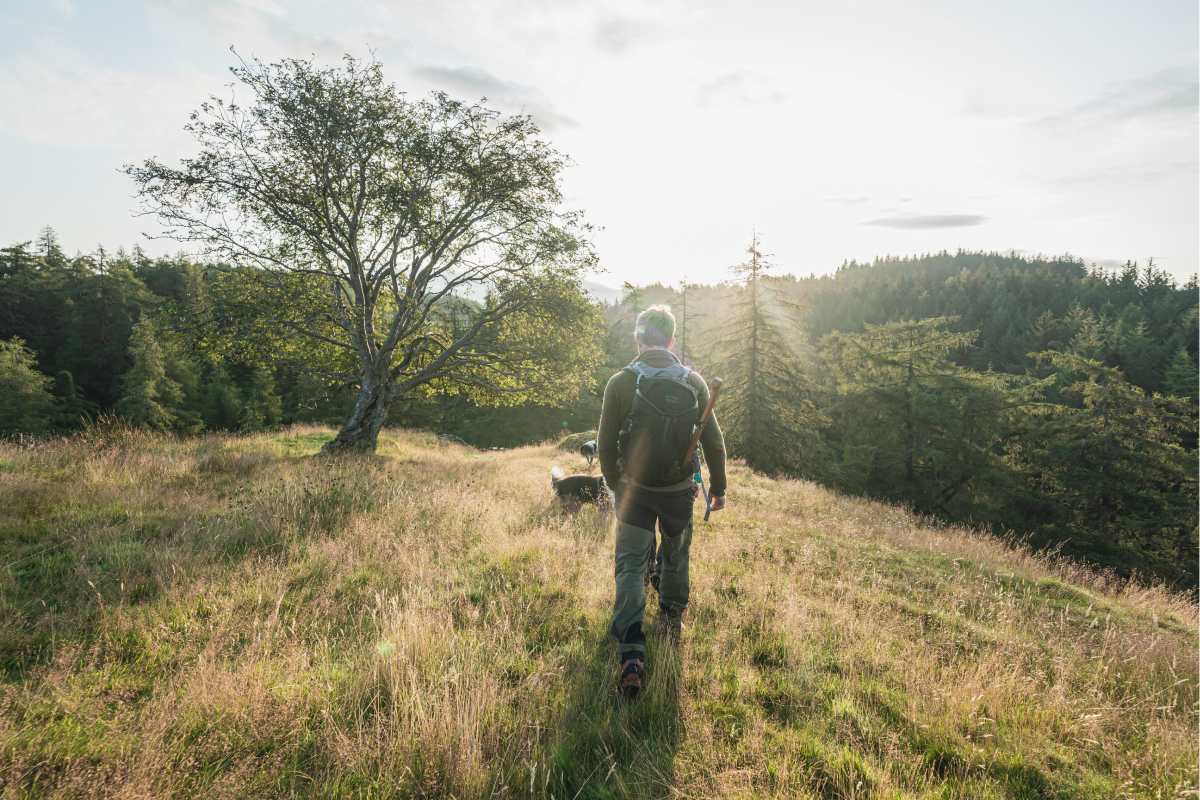
It starts with movement while it’s still dark. Some cardio to wake the body up, then strength work, then yoga to loosen what the strength work tightened. After that I sit for meditation, then journal, then map out the day ahead so it doesn’t map me. By the time the sun’s properly up I’m out the door for a 40-minute walk, and I come home to a real breakfast, something warm, plant-based and colorful and worth sitting down for.
None of it is heroic. It’s a sequence, not a performance. But by the time the working day begins I’ve already moved, already thought, and already decided what matters before anyone else’s priorities can decide for me. That sets the tone for everything after it. Productive, flowing, actually enjoyable, instead of reactive and behind from the very first email.
There’s a metabolic reason it works too, not only a mood one. Morning movement, especially before I eat, makes my cells more willing to pull sugar out of the blood for hours afterward. The same breakfast lands more gently on a body that’s already walked and lifted than on one rolling straight from bed to desk. So the morning bookend isn’t only how I feel ready for the day. It’s how the day’s blood sugar starts on the right foot.
The evening bookend
The other end of the shelf is quieter, and it took me longer to take seriously.
For years I managed the visible half of my health and left the night to chance. Food felt controllable. Sleep felt like weather, something that happened to me rather than something I did. So I counted carbs and timed my walks, then stayed up too late, slept badly, and never once connected that rough night to the higher number the next morning.
My newest addition is yoga at night. Nothing ambitious, no agenda. Ten or fifteen minutes of restorative poses, the quiet kind you hold and breathe into while the day drains out of your shoulders. I dim the lamps, I’ve usually finished eating a couple of hours earlier, and I let the room agree with my bedtime. It relaxes me, settles my mind, and lays down a clean runway into sleep.
That runway matters more than I used to think, because of what a single bad night does to blood sugar.
What one bad night does to your blood sugar
When you sleep short or sleep badly, your body turns more insulin resistant the very next day. Not months from now. The next morning. Your cells get temporarily worse at hearing insulin’s signal to take sugar out of the blood, so the same breakfast lands harder on four hours of sleep than it does on eight.
It doesn’t stop there. Poor sleep raises your cortisol the following day, and cortisol nudges glucose up on its own, no meal required. It also scrambles the hunger hormones, turning up the ones that make you want to eat and quieting the ones that tell you you’re full. And the foods you’ll crave are exactly the fast, sugary ones that spike you hardest. So one bad night leaves you in a rough spot on three fronts at once, well before a single thing reaches your mouth.
Which is the whole case for the evening bookend. A calm, well-designed wind-down protects the sleep that resets your insulin sensitivity overnight, so you wake up on solid ground instead of already behind.
How the two ends feed each other
Here’s what I finally understood. The bookends aren’t two separate habits. They’re one loop.
The morning routine sets up the day. The evening routine sets up the night. And the night sets up the next morning, because I wake rested and full of energy, which makes the 5:30 alarm bearable, which makes the movement happen, which steadies the day, which makes it easier to wind down again that night. Round and round it goes. Each end props up the other.
When one bookend goes missing, the whole shelf tips. The day feels oddly unfinished, like a book about to slide off the end. That’s why I stopped treating either edge as leftover time. The middle of my day mostly belongs to other people. The edges are mine, and they’re where the real design happens.
How to build your own bookends
You don’t need my exact routine, and you certainly don’t need more willpower. You need a couple of small, repeatable cues at each end of the day, small enough that you’ll actually do them on a tired Tuesday. Here’s what works, for me and for the people I coach.
Open with a little movement. A short walk, ten minutes of stretching, a few strength moves before breakfast. Morning movement steadies your energy and your blood sugar for hours, and it tells your body the day has started on your terms.
Decide the day before it decides you. Two minutes with a notebook, naming what actually matters today. It’s the difference between steering the day and being dragged through it.
Close with one calming ritual. Gentle stretching, a few restorative poses, a slow walk around the block after dinner. The point is a signal to your body that the day is ending, not a second workout.
Dim the light as the evening goes on. Bright overhead light late at night tells your brain it’s still midday and delays the sleep signal. Lamps instead of ceiling lights, screens turned down. Let your surroundings agree with your bedtime.
Give food a curfew. A big meal right before bed leaves your body handling glucose while it’s trying to wind down, which tends to disturb both your sleep and your overnight numbers. Aim to finish dinner a couple of hours before you lie down. Nothing rigid, just a little runway.
Anchor each new habit to one you already have. You brush your teeth every night without deciding to. Let the wind-down ride along behind something that already happens, and let the morning walk follow your first cup of coffee, so you’re not running on motivation at either end of the day.
The half of the day we forget to design
We talk endlessly about what to eat and how to move, and both matter enormously. But so much of how a day actually goes, the energy, the focus, the blood sugar sitting underneath all of it, gets decided at the two ends we tend to treat as afterthoughts. The morning that stands the day up. The evening that lays it down gently enough to begin again well tomorrow.
So as the days get shorter and the mornings and evenings both stretch out, I’ll leave you with the question I keep asking myself. What’s one small thing you could add to each end of your day, one to open it and one to close it? Set both bookends in place, and you may be surprised how much steadier everything between them starts to feel.
If your numbers have been climbing and you’ve poured all your effort into the middle of the day with less to show for it than you’d hoped, the edges are often the missing piece. That’s exactly the kind of thing we map out together in a Wellness Consultation, a 90-minute conversation that starts where your real mornings and real nights actually are. I’d love to hear from you.
If your A1C has been climbing and you’re not sure which of these changes is worth your limited energy, that’s exactly the kind of thing we untangle together in a Wellness Consultation. It’s a 90-minute conversation about your real life, your real schedule, and the smallest changes that would move your numbers the most. I’d love to hear from you.
This article is meant for education and encouragement. It works best alongside the care of your own medical team, never in place of it.