The Empowering Magic of Self-Care
Why Self-Care Is More Important Than Ever
In times when the political climate can feel tense, wildfires and floods devastate communities, and unpredictable crises disrupt our lives, prioritizing self-care isn’t a luxury, it’s essential. How we respond to external circumstances—whether epidemics, natural disasters, political upheavals, or other life-altering events—has a profound impact on our health and wellbeing.
And our own health and wellbeing ripples outward, influencing the lives of our families, friends, neighborhoods, and communities. When we are grounded, resilient, and balanced, we can show up more fully for the people and causes that matter to us.
Self-care is the foundation of that resilience. It’s about intentionally carving out time to nurture your body, mind, emotions, and spirit so that you can thrive, even in challenging times.
What Self-Care Really Means
Self-care isn’t just spa days or indulgent treats, it’s any intentional practice that supports your holistic wellbeing. It requires commitment, consistency, and curiosity about what works best for you. Importantly, self-care is bio-individual—what nourishes one person may not work for another.
Here are some key approaches and ideas for cultivating self-care across all aspects of your life:
Physical Self-Care: Nurture Your Body
Caring for your body is a cornerstone of wellbeing. Simple daily practices for physical wellbeing include:
- Five minutes of conscious breathing to calm the nervous system
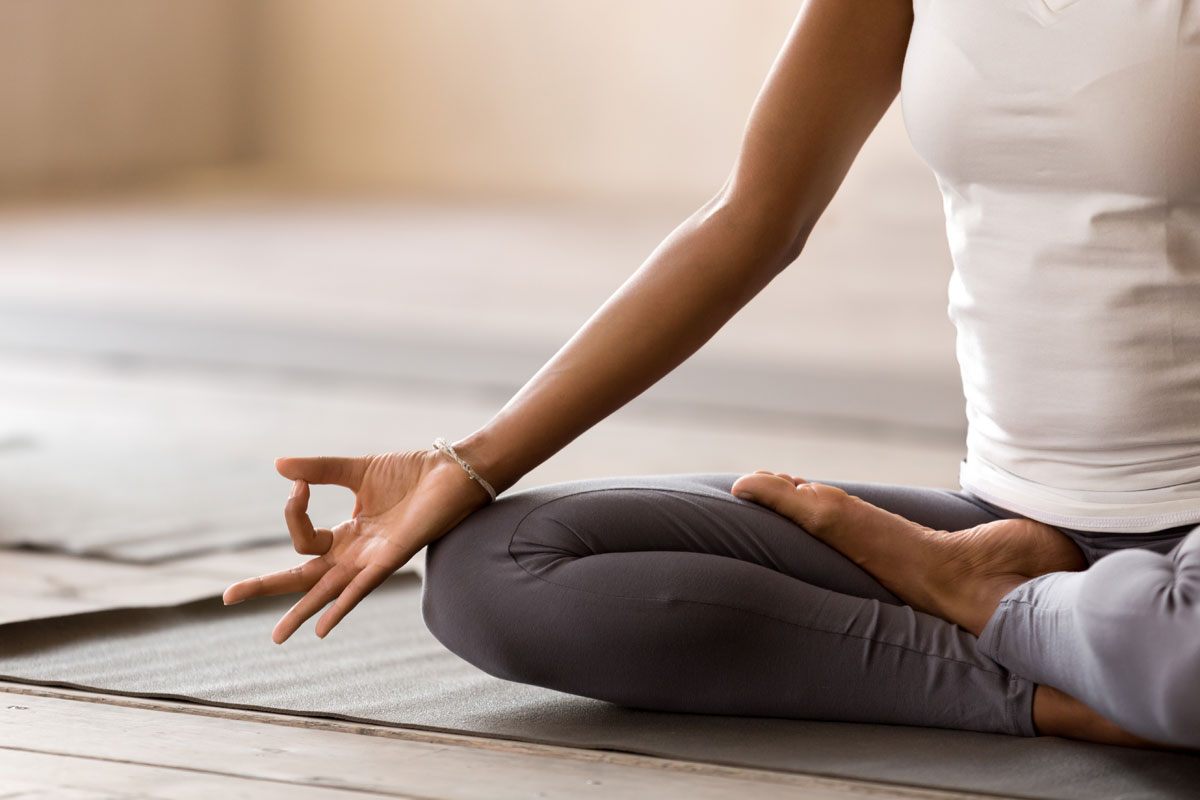
- Gentle yoga or stretching to release tension and improve mobility
- A self-administered foot or hand massage to relax and ground yourself
- Taking short walks in nature to reconnect with your body and the world around you
- Prioritizing sleep, hydration, and nourishing meals that support your energy
Even small actions repeated consistently can make a significant difference in your physical resilience.
Mental Self-Care: Calm Your Mind
Mental self-care helps you manage stress, improve focus, and cultivate clarity. Here are some tips for mental clarity and focus:
- Journaling to release worries, fears, or lingering thoughts onto the page
- Listening to guided meditations or mindfulness exercises via free apps
- Setting boundaries around news and social media to reduce mental overload
- Practicing time management or structured breaks to prevent burnout
- Engaging in stimulating hobbies, puzzles, or learning opportunities that challenge your mind
Emotional Self-Care: Support Your Heart
Supporting your emotional wellbeing allows you to process feelings and maintain inner balance. Ways to process and release emotions:
- Loving-kindness meditation to cultivate compassion toward yourself and others
- Reaching out to supportive friends or mentors for connection and perspective
- Expressive activities like painting, dancing, or creative writing
- Allowing yourself to cry, laugh, or feel fully without judgment
- Reflecting on gratitude or positive experiences to foster emotional resilience
Spiritual Self-Care: Nurture Your Soul
Spiritual self-care nurtures your sense of purpose, meaning, and connection to something greater. Practices for connection, purpose, and meaning:
- Mindful breathing or meditation to center yourself in the present moment
- Spending time in nature or sacred spaces to reconnect with the world around you
- Practicing prayer, affirmations, or intentional reflection aligned with your values
- Engaging in rituals that honor your beliefs or traditions
- Journaling about your purpose, life vision, or the aspects of life that bring meaning
Building Your Self-Care Practice
Here are some tips to help your self-care practices stick:
- Create space. Schedule specific times for self-care in your calendar. It doesn’t need to take hours, but consistency matters.
- Honor your individuality. Experiment with practices and notice which ones nourish you most. If you enjoy solitude, try journaling or walking alone. If you’re extroverted, connect with friends or join group activities.
- Be flexible. Tune in daily to discern your needs. Ask yourself, “What do I really need today?” and welcome the answer without judgment.
- Connect with your Why. Recognize how self-care reinforces your values and long-term goals. Write down your reasoning and place it somewhere visible as a reminder.
- Find balance. Practice self-care while also maintaining connections with others. Balance solitude and social time to ensure holistic wellness.
- Change it up. Rotate practices when you feel stuck or stagnant. Experimentation helps you stay engaged and responsive to your needs.
Your Self-Care Toolbox
To get started or refresh your routines, consider adding some of these practices to your wellness toolbox:
- Five minutes of deep breathing
- Loving-kindness meditation
- Gentle yoga or stretching sequences
- Foot or hand massage
- Guided meditation apps
- Journaling fears, anxieties, and goals
- Nature walks or time outdoors
- Creative expression (painting, dancing, music, crafts)
- Mindful rituals, prayer, or affirmations
Choose one, do it, and repeat. Consistency is what transforms small, intentional acts into lasting wellbeing.
Final Thought: Small Steps, Lasting Wellbeing
Self-care is a daily commitment to your wellbeing, a practice that strengthens your resilience, and a gift you give not just to yourself but to the people and communities you touch. In a world that often feels chaotic, making time for physical, mental, emotional, and spiritual self-care is more than a choice—it’s a necessity.